Wednesday, December 14, 2011
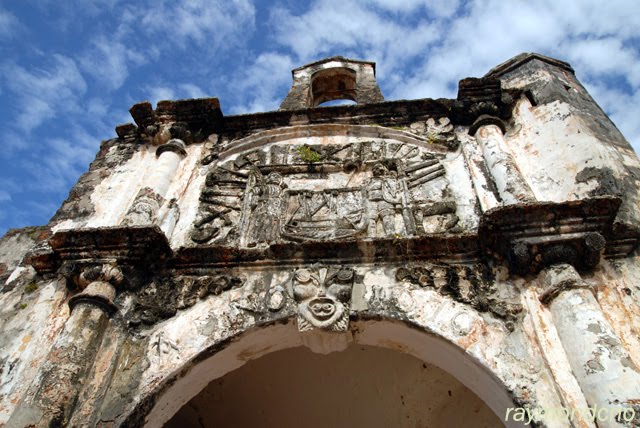
Malacca - St Paul Church and St Francis Xavier

Monday, November 21, 2011
Thursday, November 17, 2011
Saturday, November 12, 2011
Monday, July 25, 2011
无聊篇 - 你最好
犹如昨天,所记得的,
也就是在远方的你,
在梦境的你,
在屋旁的你.
昨天的昨天,我想起了你
你到底现在在哪里?
是否活得还好,
还是毅然的变小鸟?
自由自在的为逃而跑.
哎呀人生的烦恼
有谁明了?
还是你好,在我旁,
都没跑。失落与烦恼。
只有你开导。
无你活不了,
命名‘你最好‘。
花儿谢毁了,花儿知多少?
明明无揭晓,我愿变小鸟!
Wednesday, June 1, 2011
生活篇 -父母
好久好久, 欢笑声,
那种感觉,好久没出现了.
长大了, 大家的大家,
都渐渐的,为自己的将来努力了.
寂寞的当儿,
我感觉到, 你们的存在.
对我而言, 活在当下,
如果没有你们为我的生活里,
刻下了一页页的回忆,
也许,我会更寂寞.
儿时,渴望的,重视的
应该是钱财和自由.
当儿,渴望的,重视的
反而是情. 不管它是什么情.
就是会很想他.
在外头读书,工作了.
总是看到别人开心的回家,
见到自己最爱的父母,
吃着妈妈煮的饭菜,
老爸打包的饭菜,
我,无奈...
矛盾因而溢出,
"吾乃不孝子?"
在心中,总是挣扎着.
内心想要的,但往往在现实生活中,
我做不到. 我给不到我父母最好的.
我还是我,
我不要好像,
那些不孝的子女,
等到双亲不在人间时,
才猫哭老鼠般的,
假情假意的,
我还是我.
我不要好像那些人,
等到最爱的人离开时,
才尽孝心,
我不要好像那些人,
等到去世了,
才烧些所谓的'金银珠宝'.
到头来,他们收到吗?
倒不如,我尽我的能力,
把我在我能力范围内的
都让给你们享用.
我这不孝子,
还未能让你们安心阿,
那么大了,还是要你们操心,
不孝啊.
你们忙了一辈子,
到了那么久,
还要担心我这个不孝子,
你们要我会来陪你们,
我没做到,
我却去了隔离你们很远很远的地方,
工作了.
为了自己的将来,
我很自私, 没顾虑到你们,
不孝啊,
如何阿? 左右为难阿.
名,乃先祖赐予吾也.
不孝啊,
我很自私, 没顾虑到你们,
想把它换了,也把它换了,
为了自己的将来,
不孝啊,
如何阿? 左右为难阿.
最后,我选择不要将来,
也要保住先祖赐予吾之名.
最后,我还是我.
我只希望,你们能长命百岁.
如果有这种机会,能让我把我的岁月,
转让给你们,就给我这份情意,
保留给你们...
想看到的,
莫非就是你们脸上的笑容,
让你能看到你们的后代,
一直在你们的眼里,
长大...成人...
你们俩的恩情,
如此的伟大,
我, 该如何报答
你们对我的一切的一切.
只能说, 我最爱的就是你们.
爸爸, 妈妈.Tuesday, May 3, 2011
Something about Hokkien History and Learn Hokkien
This is interesting if you're a Hokkien, do you know...
Ancient Imperial Language of China - 2,000 Years Ago.
If you're a HOKKIEN Take Note !!
Ancient Imperial Language of China – 2,000 Years Ago
How Did it Sound Like? (Mind you, it's no way similar to Mandarin)
Has this Ancient Language Survived?
Who Speaks it Today?
You'll be Surprised. You have heard it. You, your parents, or grandparents may still be speaking this ancient, archaic language!
Yes, it's HOKKIEN (Fujian/Minnan Hua)
Hokkien is:
1. The surviving language of the Tang Dynasty (618-907AD), China 's Golden Age of Culture.
Note: The Hokkien we hear today may have "evolved" from its original form 2,000 years ago, but it still retains the main elements of the Tang Dynasty Language.
2. Hokkiens are the surviving descendants of the Tang Dynasty -- When the Tang Dynasty collapsed, the people of the Tang Dynasty fled South and sought refuge in the Hokkien ( Fujian ) province. Hence, Hokkien called themselves Tng-lang (Tang Ren or People of the Tang Dynasty) instead of Hua Lang (Hua Ren).
3. Hokkien has 8 tones instead of Mandarin's 4. Linguists claim that ancient languages tend to have more complex tones.
4. Hokkien retains the ancient Chinese pronunciation of "K-sounding" endings (for in stance, Hak Seng (student), Tua Ok (university), Thak Chek (read a book/study) -- the "k" sounding ending is not found in Mandarin.
5. The collection of the famous "Three Hundred Tang Dynasty Poems" sound better when recited in Hokkien/Teochew if compared to Mandarin.
6. Consider this for a moment: Today, the Hokkien Nam Yim Ochestral performance still has its roots in ancient Tang dynasty music. Here's the proof: The formation of today Nam Yim ensemble is typically seen in ancient Tang dynasty paintings of musicians.
More Astonishingly:
Although not genetically-related, Hokkiens, Koreans and Japanese share many similar words (which are different from Mandarin).
That's because Hokkien was the official language of the powerful Tang Dynasty whose influence and language spread to Japan and Korea (just like Latin – where many words were borrowed by the English, French, Italian, etc). Here are just a few words in Hokkien, Japanese & Korean for your comparison:
|
|
|
|
|
|
|
|
|
|
|
|
|
|
|
|
|
|
|
|
|
|
|
|
|
|
|
|
|
|
|
|
|
|
|
|
|
|
|
|
|
|
|
|
|
|
|
|
|
|
|
|
|
|
|
|
|
|
|
|
|
|
|
|
|
|
|
|
|
|
|
|
|
|
|
|
|
|
|
|
|
|
|
|
|
|
|
|
|
|
|
|
|
|
|
|
|
|
|
|
|
|
|
|
|
|
|
|
|
|
|
|
|
|
|
|
|
|
|
|
|
|
|
|
|
|
|
|
|
|
|
|
To all 49 Million Hokkien Speakers:
Be Proud of Your Ancient Hokkien Heritage & Language! Speak it Loud and Clear. Teach Your Future Generation this Imperial Language, Less it Fades Away. Be Proud Children of the Tang Emperors.
To all Mandarin-speaking friends out there -- do not look down on your other Chinese friends who do not speak Mandarin – whom you guys fondly refer to as "Bananas". In fact, they are speaking a language which is much more ancient & linguistically complicated than Mandarin.
Keep in mind that Mandarin is just:
1. A Northern Chinese dialect (heavily influenced by non Han Chinese) that was elevated to the status of National Language by Sun Yat Sen for the sake of China’s national unity.
2. Mandarin was never spoken by your proud, imperial Tang Dynasty ancestors. It was probably spoken by the Northern (Non-Han) Jurchen, Mongols and Manchu minority. Start speaking the language of your ancestors today.